Do AI Detectors Work Well Enough to Trust?
Key Takeaways
- •The development of a policy framework for evaluating AI detection tools is critical, as their reliability directly impacts academic integrity and the trustworthiness of student work.
- •This reflects a broader trend where educators must pivot from solely policing AI usage to rethinking pedagogical approaches.
- •The practical implication is a shift towards designing assessments that promote higher-order thinking and human creativity, rather than relying on fallible detection technologies.
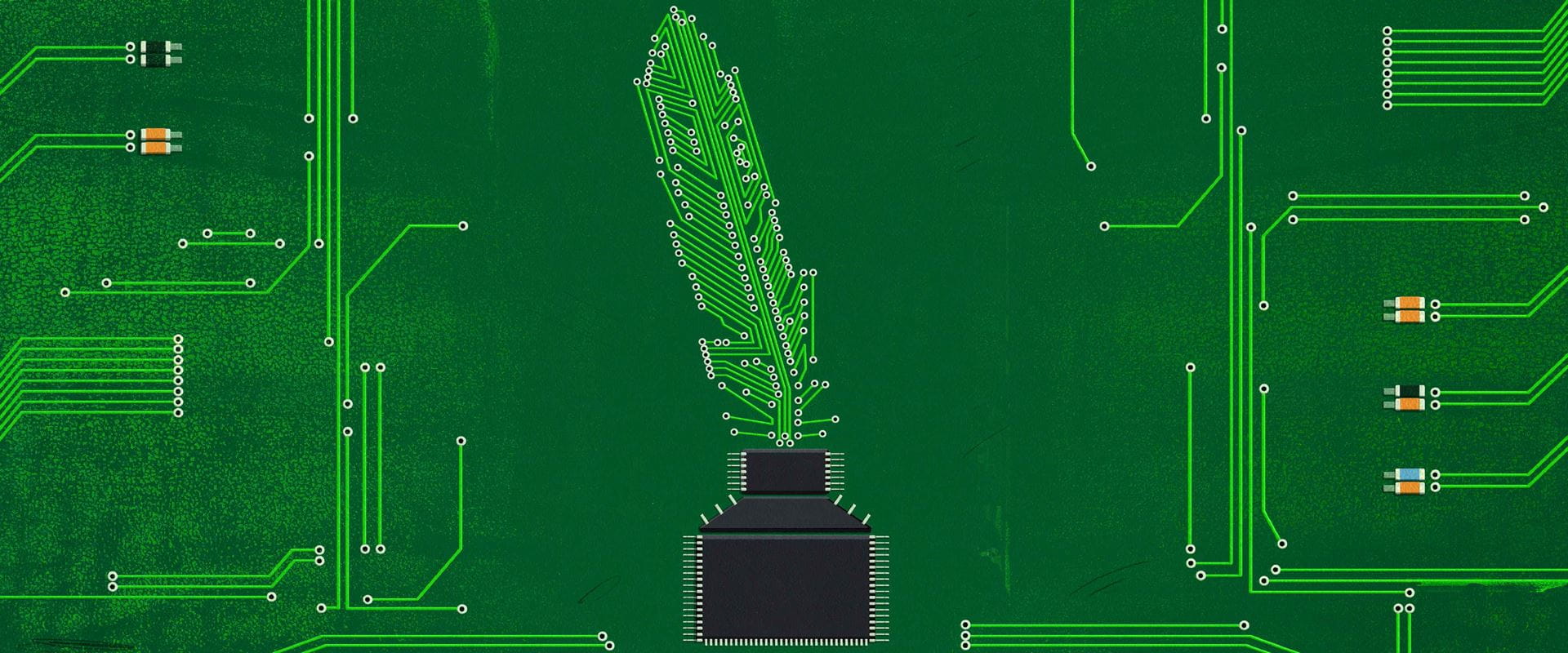
Pete Ryan Do AI Detectors Work Well Enough to Trust? Researchers developed a policy framework for evaluating AI detection tools. By Matt Robinson December 02, 2025 CBR - Artificial Intelligence Share This Page Share This Page --> Generative artificial intelligence has set off a tremendous amount of excitement, speculation, and anxiety thanks to its ability to convincingly mimic human work, including human writing.
Our Take
The development of a policy framework for evaluating AI detection tools is critical, as their reliability directly impacts academic integrity and the trustworthiness of student work. This reflects a broader trend where educators must pivot from solely policing AI usage to rethinking pedagogical approaches. The practical implication is a shift towards designing assessments that promote higher-order thinking and human creativity, rather than relying on fallible detection technologies.
Topics & Tags
Analysis & Perspectives
Strategic Planning for AI Professional Development: Equipping Educators to Integrate AI as a Pedagogical Partner, Not Just a Tool
This article outlines a strategic framework for professional development, empowering educators to effectively integrate AI into their teaching practices. It moves beyond viewing AI as a mere tool, instead focusing on equipping educators to leverage AI as a sophisticated pedagogical partner. The aim is to enhance learning experiences and foster innovative instructional design.
Redefining Assessment and Feedback Strategies in the Age of Generative AI: From Plagiarism Detection to Promoting Critical AI Literacy
This article explores how the advent of generative AI necessitates a fundamental re-evaluation of assessment and feedback strategies in education. It advocates for a shift from solely focusing on plagiarism detection towards cultivating critical AI literacy among students. The piece outlines innovative approaches to integrate AI responsibly, ensuring academic integrity while equipping learners with essential skills for an AI-driven world.
People Also Ask
How does an AI detector work?▾
Are AI detectors reliable for schools?▾
What is the most accurate AI detector?▾
Can students fool AI detectors?▾
Related Articles

This new tool makes AI's role in student writing visible
Share Tweet Share Email April 26, 2026 This new tool makes AI's role in student writing visible by Georgia Institute of Technology edited by Gaby Clark , reviewed by Robert Egan Gaby Clark Scientific Editor Meet our editorial team Behind our editorial process Robert Egan Associate Editor Meet our editorial team Behind our editorial process Editors' notes This article has been reviewed according to Science X's editorial process and policies .

North Carolina Student Fights Accusation of AI Use
K-12 Education North Carolina Student Fights Accusation of AI Use Wake County Public Schools faces controversy after three different AI-detection tools indicated a student's assignment was partially generated by AI, while the student, an avid reader and writer, resents the accusation. April 24, 2026 • T. Keung Hui, The Herald-Sun, Durham, N.C. Facebook LinkedIn Twitter Print Email (TNS) — Eleanor Canina is as harsh a critic of AI as a 15-year-old can be, so she was surprised when an English
What AI Detector Does Canvas Use? LMS Detection Explained
What AI Detector Does Canvas Use? LMS Detection Explained Undetectable AI