Is technology eroding mathematical thinking? A case for balance in Ghanaian classrooms
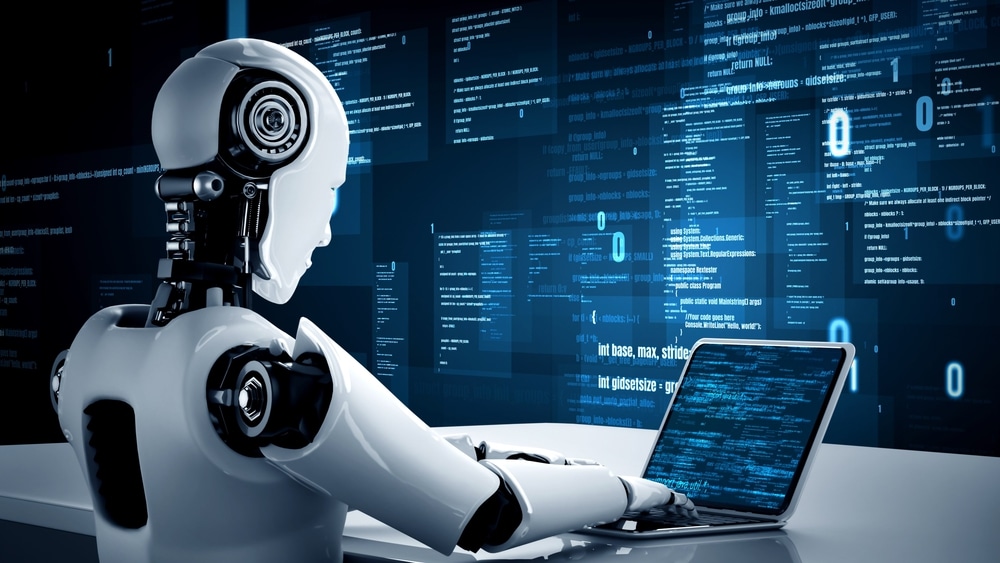
Key Takeaways
- •The article highlights a critical, global challenge: ensuring that education technology, including emerging AI tools, augments rather than erodes foundational cognitive skills like mathematical thinking.
- •This necessitates a strategic pedagogical shift, where educators are empowered to design learning experiences that leverage technology for deeper understanding and problem-solving, rather than mere task automation.
- •Ultimately, fostering a balanced approach is crucial to cultivate future-ready learners whose intellect is amplified, not diminished, by digital tools.
Home News Arts and Culture Business Sports Opinion Research Live TV/Radio Media Elections Dark Mode Dark mode --> Forgot Password Create Account Receive news updates on the go. Select one or more categories News Business Sports Opinion Entertainment Breaking News I want to receive news: Daily Weekly Monthly Subscribe Daily: 0.30p | Weekly: GHS 2 | Monthly: GHs 9 Technology | Technology Is technology eroding mathematical thinking?
Our Take
The article highlights a critical, global challenge: ensuring that education technology, including emerging AI tools, augments rather than erodes foundational cognitive skills like mathematical thinking. This necessitates a strategic pedagogical shift, where educators are empowered to design learning experiences that leverage technology for deeper understanding and problem-solving, rather than mere task automation. Ultimately, fostering a balanced approach is crucial to cultivate future-ready learners whose intellect is amplified, not diminished, by digital tools.
Topics & Tags
Analysis & Perspectives
Strategic Planning for AI Professional Development: Equipping Educators to Integrate AI as a Pedagogical Partner, Not Just a Tool
This article outlines a strategic framework for professional development, empowering educators to effectively integrate AI into their teaching practices. It moves beyond viewing AI as a mere tool, instead focusing on equipping educators to leverage AI as a sophisticated pedagogical partner. The aim is to enhance learning experiences and foster innovative instructional design.
Redefining Assessment and Feedback Strategies in the Age of Generative AI: From Plagiarism Detection to Promoting Critical AI Literacy
This article explores how the advent of generative AI necessitates a fundamental re-evaluation of assessment and feedback strategies in education. It advocates for a shift from solely focusing on plagiarism detection towards cultivating critical AI literacy among students. The piece outlines innovative approaches to integrate AI responsibly, ensuring academic integrity while equipping learners with essential skills for an AI-driven world.
People Also Ask
Where can I read technology news about AI?▾
What technology companies are leading in AI development?▾
How fast is AI technology advancing?▾
What AI technology breakthroughs matter most for education?▾
Related Articles
Help! AI stole my students’ brains!
Why professors must teach undergrads to think critically about artificial intelligence tools. The post Help! AI stole my students’ brains! appeared first on University Affairs.
AI is Forcing the Return of Writing by Hand in the Classroom
AI is Forcing the Return of Writing by Hand in the Classroom mindmatters.ai
Colorado teacher embraces AI to enhance student learning
Colorado teacher embraces AI to enhance student learning The Coloradoan