80% of Teachers Are Using AI Tools in the Classroom
Key Takeaways
- •The reported 80% AI adoption rate among teachers signifies a critical, educator-driven integration of artificial intelligence that transcends early adopter phases and demands immediate strategic institutional responses.
- •This reflects a broader trend where practical classroom innovation is outpacing top-down policy, necessitating urgent development of comprehensive professional development, ethical frameworks, and supportive infrastructure to harness AI's potential effectively and equitably for all students.
80% of Teachers Are Using AI Tools in the Classroom THE Journal: Technological Horizons in Education
Our Take
The reported 80% AI adoption rate among teachers signifies a critical, educator-driven integration of artificial intelligence that transcends early adopter phases and demands immediate strategic institutional responses. This reflects a broader trend where practical classroom innovation is outpacing top-down policy, necessitating urgent development of comprehensive professional development, ethical frameworks, and supportive infrastructure to harness AI's potential effectively and equitably for all students.
Topics & Tags
Analysis & Perspectives
Strategic Planning for AI Professional Development: Equipping Educators to Integrate AI as a Pedagogical Partner, Not Just a Tool
This article outlines a strategic framework for professional development, empowering educators to effectively integrate AI into their teaching practices. It moves beyond viewing AI as a mere tool, instead focusing on equipping educators to leverage AI as a sophisticated pedagogical partner. The aim is to enhance learning experiences and foster innovative instructional design.
Redefining Assessment and Feedback Strategies in the Age of Generative AI: From Plagiarism Detection to Promoting Critical AI Literacy
This article explores how the advent of generative AI necessitates a fundamental re-evaluation of assessment and feedback strategies in education. It advocates for a shift from solely focusing on plagiarism detection towards cultivating critical AI literacy among students. The piece outlines innovative approaches to integrate AI responsibly, ensuring academic integrity while equipping learners with essential skills for an AI-driven world.
People Also Ask
How can teachers start using AI in their classrooms today?▾
What are practical AI activities for classroom learning?▾
How do teachers maintain academic integrity when using AI in class?▾
What should teachers avoid when using AI in the classroom?▾
Related Articles
Microsoft researchers have revealed the 40 jobs most exposed to AI—and even teachers make the list
Microsoft researchers have revealed the 40 jobs most exposed to AI—and even teachers make the list Fortune
Gallup: More than half of U.S. college students use AI weekly for coursework
Gallup: More than half of U.S. college students use AI weekly for coursework WSMH
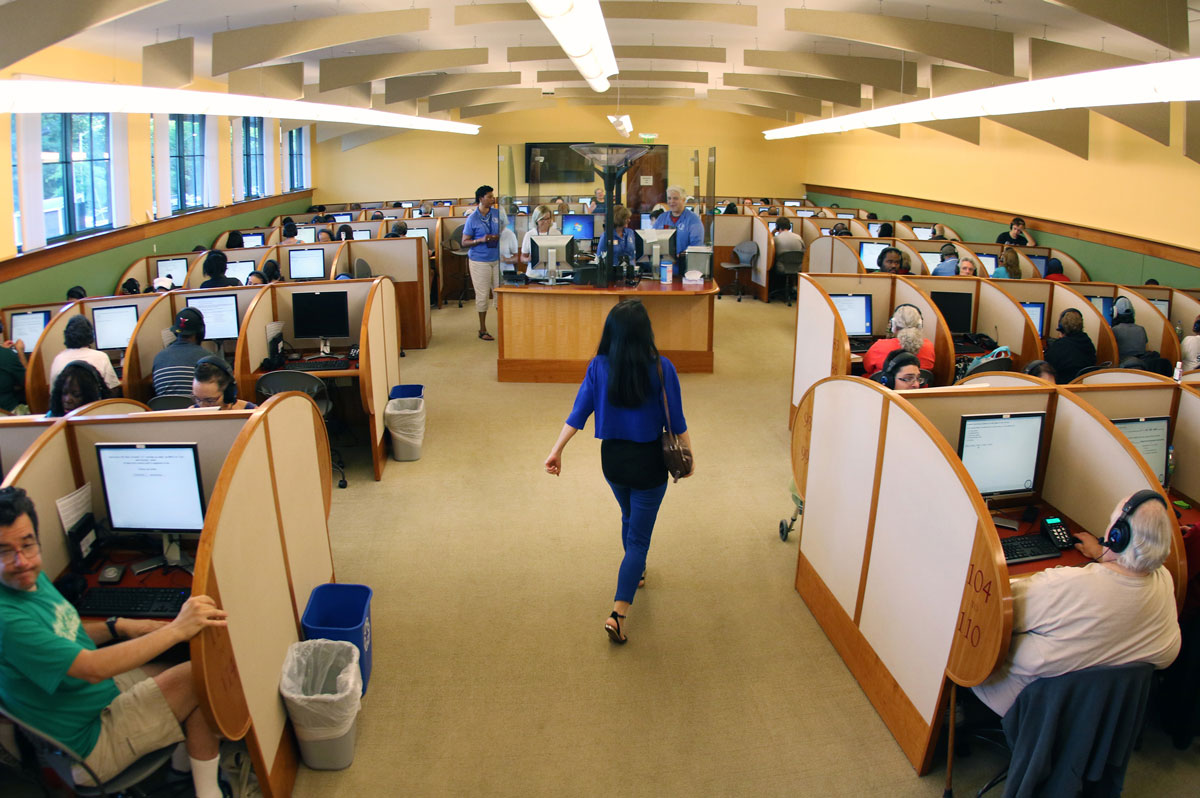
Americans Want College Students Taught AI But Wary Of AI Use, Quinnipiac University Higher Ed Poll Finds; 76% Think International Students Studying In U.S. Is A Good Thing
Skip to Content search As artificial intelligence transforms the way we live, work and learn, Americans think it is important that students at higher education institutions be taught how to use AI while at the same time, they are skeptical about AI's impact on students' ability to learn and how institutions may use AI. At a time when colleges and universities are under financial and political pressure, nearly 8 in 10 adults with an associate's degree or higher (78 percent)