More and more teachers and students are using AI – even though it might do more harm than good
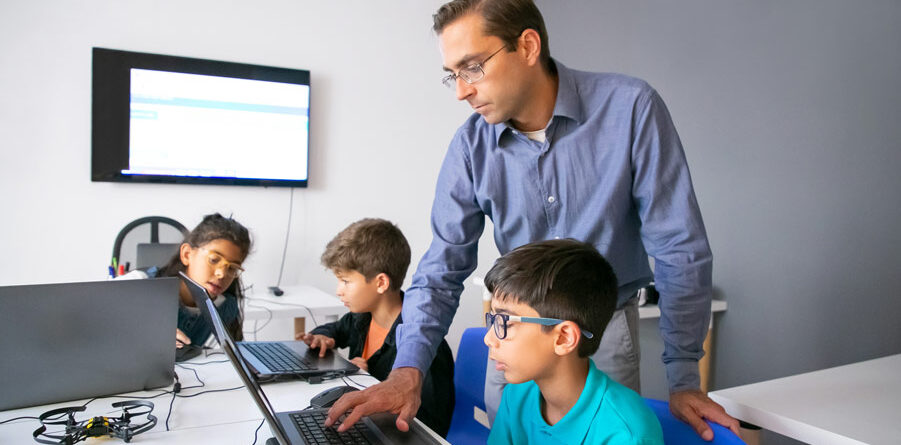
More and more teachers and students are using AI – even though it might do more harm than good Tal Slemrod | The Conversation An estimated 85% of K-12 public school teachers recently reported that they used AI during the 2024-2025 school year. Photo Credit: Pch.vector / Freepik by El Observador 04/03/2026 K-12 teachers and students across the country are increasingly using AI in and out of classrooms, whether it is teachers turning to AI to refine lesson plans or
Analysis & Perspectives
Strategic Planning for AI Professional Development: Equipping Educators to Integrate AI as a Pedagogical Partner, Not Just a Tool
This article outlines a strategic framework for professional development, empowering educators to effectively integrate AI into their teaching practices. It moves beyond viewing AI as a mere tool, instead focusing on equipping educators to leverage AI as a sophisticated pedagogical partner. The aim is to enhance learning experiences and foster innovative instructional design.
Redefining Assessment and Feedback Strategies in the Age of Generative AI: From Plagiarism Detection to Promoting Critical AI Literacy
This article explores how the advent of generative AI necessitates a fundamental re-evaluation of assessment and feedback strategies in education. It advocates for a shift from solely focusing on plagiarism detection towards cultivating critical AI literacy among students. The piece outlines innovative approaches to integrate AI responsibly, ensuring academic integrity while equipping learners with essential skills for an AI-driven world.
People Also Ask
How can teachers use AI in the classroom?▾
What AI tools are most useful for teachers?▾
Does using AI make teachers less effective?▾
How do teachers ensure AI outputs are accurate and unbiased?▾
Related Articles

What Will It Take to Get A.I. Out of Schools?
Skip to main content Save this story Save this story You’re reading Progress Report , Jessica Winter’s column on family and K-12 education. " class="external-link external-link-embed__hed-link button" data-event-click="{"element":"ExternalLink","outgoingURL":"https://www.newyorker.com/culture/progress-report"}" href="https://www.newyorker.com/culture/progress-report" rel="nofollow noopener" target="_blank"> You’re reading Progress Report , Jessica Winter’s column on family and K-12 education. I don’t like A.I., and I am raising my children not to like it. I’ve been telling them for years now that chatbots are manipulative and dangerous, that A.I.

AI use in schools: A growing concern among students
You can now receive the latest newsletter from the Valley News directly in your inbox and never miss a headline. Sign up Skip to content UPPER VALLEY ICE CREAM Home » NH students say artificial intelligence is breaking high school Concord Christian Academy student Faith Dudley shared her experience with AI and its uses in schools as it permeates and entrenches throughout daily life in schools.
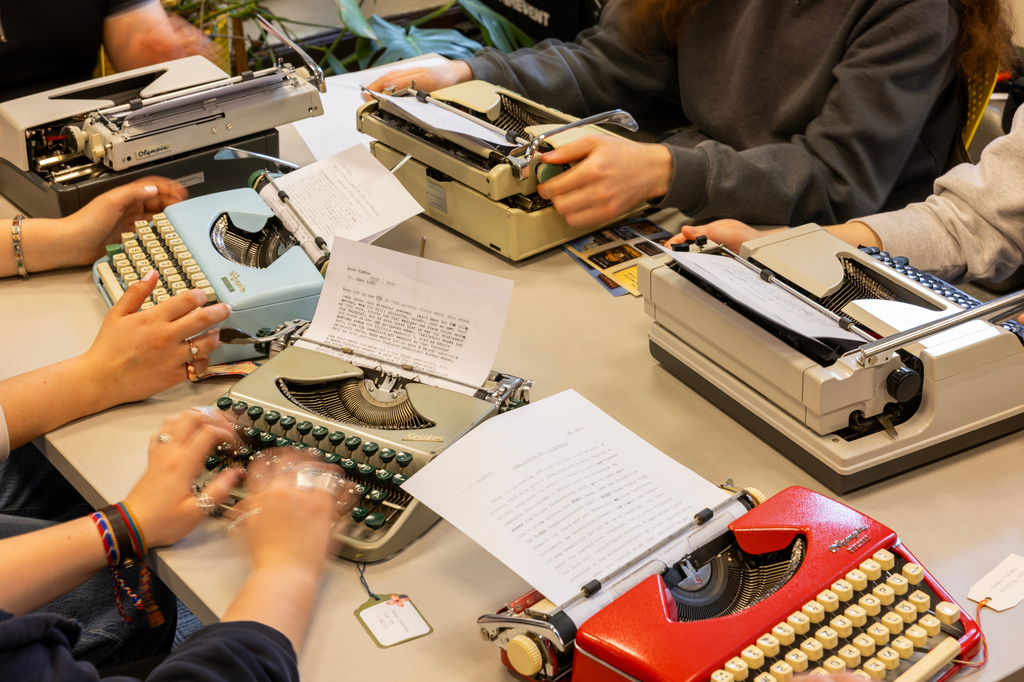
College instructor turns to typewriters to curb AI-written work
Never miss a thing Sign up for our free Sentinel email E-ditions to get the latest news directly in your inbox. Sign up The Sentinel not only cares deeply about bringing our readers accurate and critical news, we insist all of the crucial stories we provide are available for everyone — for free. Like you, we know how critical accurate and dependable information and facts are in making the best decisions about, well, everything that matters.